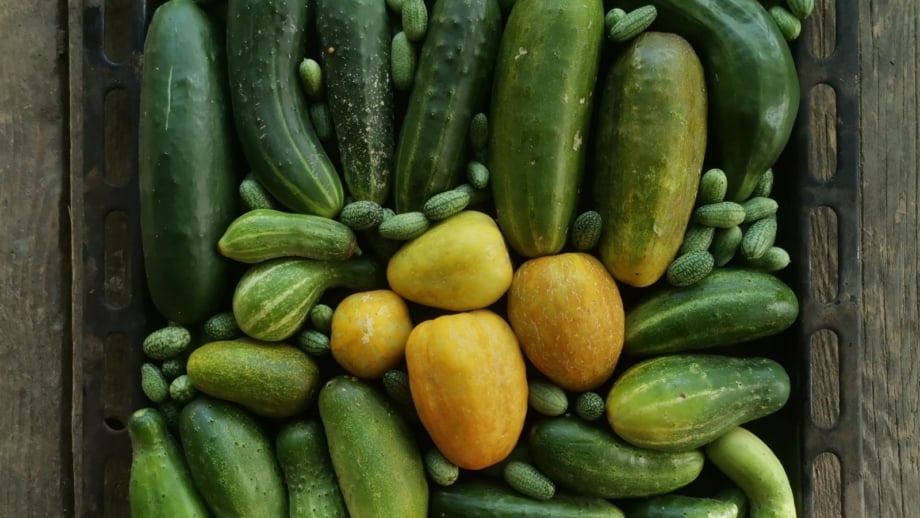
Best Container Cucumber Varieties for Small Spaces
Cucumbers are one of the most rewarding crops you can grow at home, even if you lack a big backyard. Finding the best container cucumber varieties allows you to produce crisp, fresh fruit on a sunny balcony, small patio, or inside a grow tent. With the right compact options, you can enjoy abundant harvests without dealing with massive, unruly vines taking over your living space.
What Makes a Cucumber Variety Ideal for Containers?
The best container cucumber varieties feature compact growth habits, often called bush types, that fit easily into small spaces. Traditional vining cucumbers can stretch over ten feet long, making them difficult to manage on a patio or under grow lights. Compact bush types keep their vines between two and three feet long while still producing generous crops of fresh fruit.
You should also look for parthenocarpic varieties if you plan to grow indoors. Parthenocarpic cucumber plants set fruit without needing blossom pollination from bees or other insects. This trait is perfect for indoor tent setups, sunrooms, or high-rise balconies where outdoor pollinators rarely visit. Choosing options with strong natural disease resistance also keeps your indoor crops healthy in humid or confined growing areas.
Container selection matters just as much as plant genetics. Fabric grow bags and plastic pots with generous drainage holes allow roots to breathe while preventing waterlogging. When potting up your young seedlings, make sure you choose clean, well-draining growing media. You can learn more about picking clean potting mixes in our guide on is bagged soil safe for indoor container gardening to protect your container crops from unwanted soil pests and pathogens.
What Are the Best Container Cucumber Varieties for Small Spaces?
Selecting the best container cucumber varieties comes down to matching your flavor preferences with your growing setup. Some varieties excel at fresh slicing, while others produce short, bumpy fruit perfect for home pickling. Here are top-performing choices that thrive in pots, grow bags, and indoor planters.
Outstanding Bush Slicing Cucumbers
Spacemaster is a classic, highly dependable choice for small-space gardeners. This plant produces short vines that remain easily manageable in five-gallon pots while yielding dark green cucumbers around seven inches long. The fruit stays crisp and sweet even during warm weather, making it ideal for outdoor patios or brightly lit indoor spaces.
Bush Champion is another reliable producer designed specifically for tight quarters. Its vines stay very short, yet it consistently yields bright green cucumbers up to eight inches long. It works wonderfully in container boxes or large indoor grow tubs, giving urban growers high output from a tiny footprint.
Salad Bush is an award-winning compact slicer known for high yields and compact growth. The entire plant occupies less than two square feet of surface area. Its dark green fruit is smooth, crisp, and perfect for fresh summer salads.
Diva is a fantastic parthenocarpic slicing variety that produces tender, sweet fruit with smooth skin. Because it sets fruit without pollination, it is a favorite among indoor tent growers and balcony gardeners alike.
Compact Pickling Cucumbers for Tight Spaces
Picklebush is an exceptional pickling cucumber built specifically for pot culture. It features compact vines that spread only two feet wide, producing uniform, deep green fruit with classic pickling white spines. Harvesting them small yields extra crunchy pickles every time.
H-19 Little Leaf is a versatile, self-branching plant that produces small, crisp fruit continuously. Its tiny leaves make harvesting simple and allow light to penetrate deep into the foliage canopy, which is helpful when growing under artificial lighting.
Parisian Pickling offers sweet, small gherkin-style fruits on compact vines. It adapts well to container growing, providing heavy yields of crisp fruit in a small pot.
How Do You Grow Compact Cucumbers Indoors Under LED Grow Lights?
To grow cucumbers indoors successfully, you need bright lighting, generous container volume, and consistent feeding. Cucumbers require strong illumination to support flower development and fruit production. Position your LED grow lights close enough to supply bright intensity across the leaves without burning the upper foliage.
Safety is critical when managing indoor growing equipment. Always keep electrical power cords, timers, and light drivers elevated and clear of standing water, drainage trays, and nutrient reservoirs to avoid accidental short circuits.
Select containers that hold at least five gallons of potting soil per plant. Cucumber roots prefer space to spread, and larger containers hold moisture much better than small pots. Water your plants when the top inch of soil feels dry, and apply a balanced liquid plant food according to the instructions on your fertilizer label.
Unlike tomato plants, cucumber stems do not like being deeply buried when transplanting. If you are curious about planting techniques for other heavy feeders, check out our article on whether you can bury tomato plants sideways to see how plant care rules differ between species.
Essential steps for indoor container cucumber care include:
- Install a sturdy small trellis inside the container to train vines upward and save space.
- Run a small oscillating fan near the plants to keep air moving and reduce fungal issues.
- Gently shake non-parthenocarpic blossom stems to help distribute pollen if growing indoors.
- Harvest cucumbers frequently when young to keep the plant producing new flowers.
- Wash harvested cucumbers under cool running water before eating or processing.
Can You Grow Bush Cucumbers Hydroponically?
Yes, bush cucumber plants perform exceptionally well in active hydroponic setups like Deep Water Culture or Dutch bucket systems. Hydroponic systems deliver water and dissolved minerals directly to the plant root system, accelerating growth and increasing fruit yields in tight spaces.
Compact bush varieties are ideal for hydroponics because their small leaf canopies fit easily inside indoor grow tents. Training short vines along a vertical net trellis allows you to maximize vertical space while keeping your floor footprint clean and open.
Always follow the mixing ratios listed on your hydroponic nutrient solution bottle. Cucumbers consume large amounts of water once fruit setting begins, so monitor your reservoir fluid levels daily to prevent roots from drying out.
Key advantages of hydroponic cucumber growing include:
- Rapid plant development compared to traditional soil media.
- Complete elimination of soil pests like fungus gnats and root nematodes.
- Precise hydration control that keeps fruit juicy and crunch-filled.
- Higher crop yields per square foot of available room.
Final Thoughts
Selecting the best container cucumber varieties ensures a rewarding and productive harvest even if you are short on space. By choosing compact bush types and supplying consistent light, water, and support, you can harvest sweet cucumbers all year round. Explore more MicroVeg guides to discover proven strategies for growing fresh food in small indoor spaces.
Frequently Asked Questions
What size pot do you need for container cucumbers?
Container cucumbers grow best in pots that hold at least five gallons of potting media per plant. Larger containers provide enough root space and hold moisture longer during warm weather.
Do container cucumbers need a trellis?
Yes, even compact bush cucumbers benefit from a small trellis or cage. Vertically supporting the vines keeps fruit off the wet soil, improves light exposure, and saves floor space.
What does parthenocarpic mean for indoor cucumbers?
Parthenocarpic cucumber varieties develop fruit without needing blossom pollination. This makes them ideal for indoor grow tents, sunrooms, or balconies where bees are absent.
How often should you water container cucumbers?
Water container cucumbers whenever the top inch of soil feels dry to the touch. In warm conditions or under high-intensity lights, container plants may need daily watering.
Explore More Plant Care Guides
 Plant Care
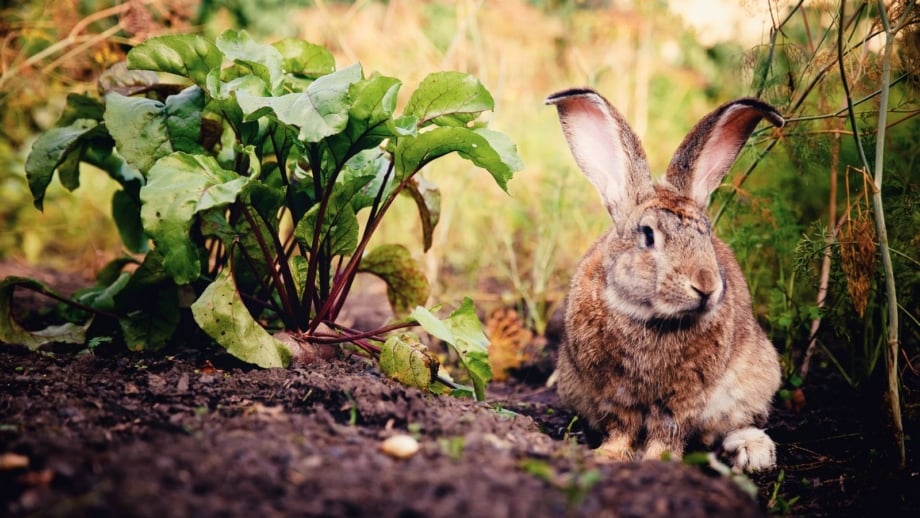
Protect Garden From Rabbits: Cruelty-Free Guide
Defend your balcony and container crops from wild rabbits using gentle, non-lethal barriers and aromatic plants.
 Plant Care
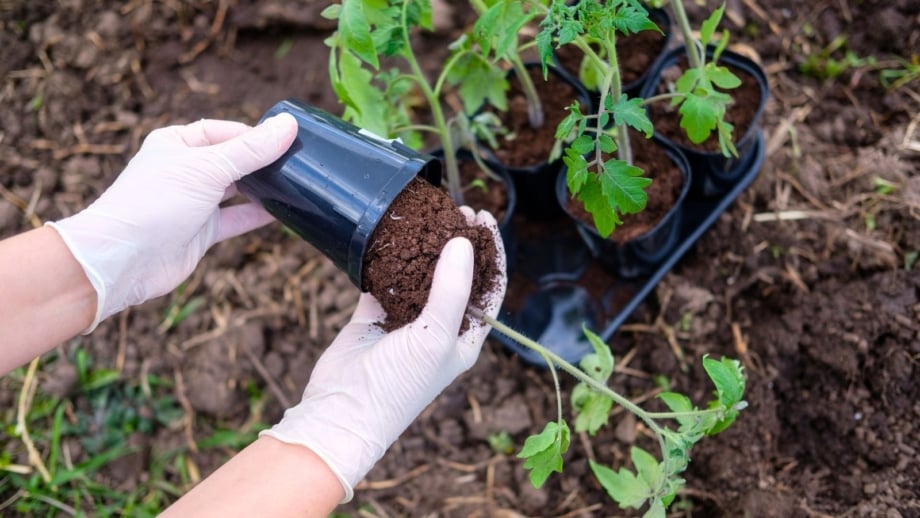
Bury Tomato Plants Sideways: Does It Work?
Learn whether to bury tomato plants sideways or plant them vertically in your indoor containers and hydroponic setups.
 Plant Care
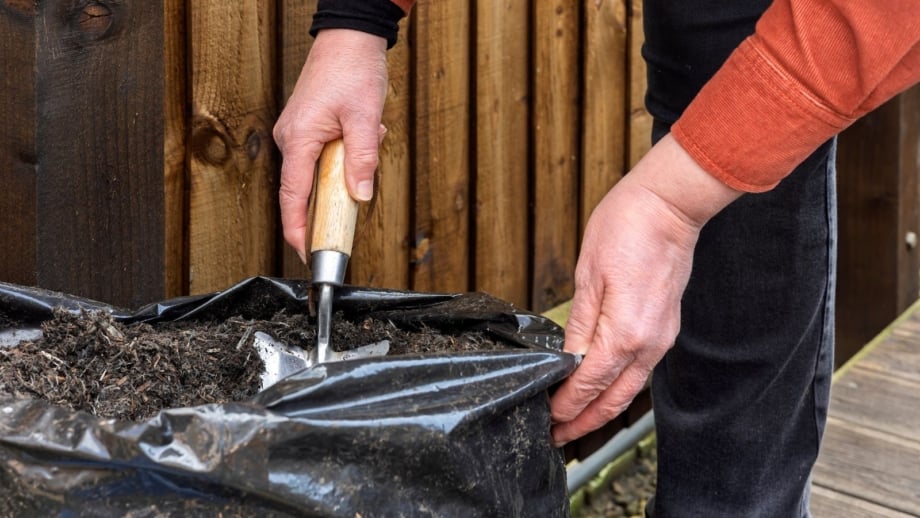
Is Bagged Soil Safe for Indoor Container Gardening?
Store-bought bagged soil can carry pests and poor drainage into your home. Learn how to protect your indoor containers.